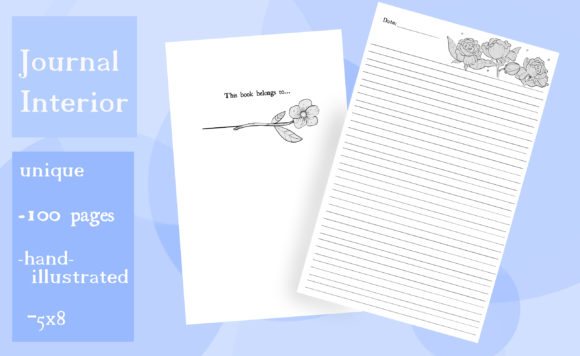
The Illustrated Floral Journal Interior: Merging Botanical Art with Mindful Prayer Practices
In an era dominated by digital noise and rapid information consumption, the tactile experience of journaling has seen a significant resurgence. For publishers, educators, and spiritual leaders, the challenge lies in finding resources that are not only aesthetically pleasing but also functionally supportive of mental and spiritual well-being. The Illustrated Floral Journal Interior represents a specialized intersection of design and devotion, offering a structured yet creative space for daily reflection. Unlike generic templates saturated with repetitive stock vectors, this specific interior resource distinguishes itself through hand-illustrated artistry and a layout grounded in psychological and spiritual research.
The Intersection of Gratitude, Anxiety Reduction, and Structured Writing
The primary value proposition of any devotional journal extends beyond its cover; it resides in the efficacy of its interior prompts. Research consistently demonstrates that practicing daily gratitude can significantly improve symptoms of anxiety and depression. When individuals engage in structured reflection, they shift cognitive focus from stressors to positive reinforcement. However, blank pages often induce "writer’s block" or anxiety in users who struggle to articulate their thoughts without guidance.
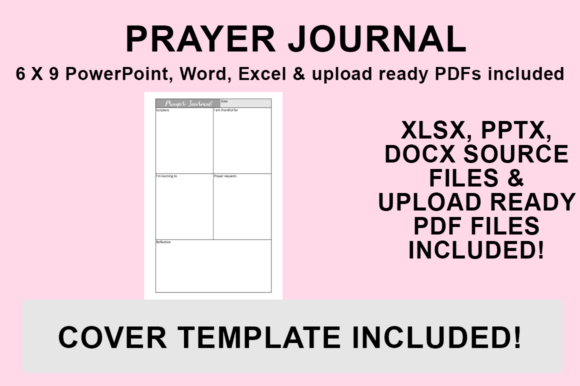
This is where the architectural design of the Illustrated Floral Journal Interior becomes practically relevant. By segmenting the writing experience into distinct categories—personal prayers, intercessory prayers for others, and scripture reflection—the layout reduces cognitive load. Users do not have to decide what to write; they simply respond to the gentle structure provided. This scaffolding technique is essential for hobbyists beginning a mindfulness practice and for professionals recommending therapeutic writing tools to clients. The inclusion of a dedicated notes section with unique botanical illustrations further reinforces the connection between nature, creativity, and calm, leveraging biophilic design principles to enhance the user's sense of peace.
Distinguishing Hand-Illustrated Authenticity from Generic Clip Art
For creators and business owners operating in the low-content or medium-content book market, differentiation is critical. The marketplace is currently flooded with AI-generated imagery and recycled clip art that lacks soul and coherence. A significant advantage of this specific journal interior is the complete absence of clip art. Every floral element is hand-illustrated, ensuring a level of organic imperfection and artistic integrity that resonates with consumers seeking authenticity.
From a production standpoint, hand-drawn elements offer superior visual harmony. Clip art often suffers from mismatched line weights, inconsistent shading styles, and disjointed color palettes when assembled from different sources. In contrast, a unified hand-illustrated theme ensures that the Illustrated Floral Journal Interior feels like a cohesive piece of literature rather than a collage of disparate assets. For educators and researchers studying the impact of aesthetics on journaling adherence, this distinction matters. A visually consistent environment encourages regular use, whereas jarring or low-quality graphics can subconsciously signal a lack of value, leading to abandonment of the practice.
Technical Specifications for Professional Publishing
Understanding the technical deliverables is vital for professionals integrating this resource into their workflow. Whether you are a self-publisher using Amazon KDP or a small press creating bespoke devotional materials, file readiness determines production efficiency. This package addresses common formatting pitfalls through precise specifications:
- Trim Size Optimization: The PDF is pre-formatted for 5×8 paperbacks, a standard size that balances portability with adequate writing space. This dimension is ergonomically favorable for handheld use during prayer or meditation.
- Full-Bleed Configuration: Artwork extends to the edge of the page without white borders, requiring precise margin management. The included files are set up correctly for full-bleed printing, eliminating the risk of unwanted white edges after trimming.
- Page Count Efficiency: At 135 pages, the interior provides sufficient duration for a multi-month habit-building cycle without becoming physically cumbersome or prohibitively expensive to print.
- Editable Source Files: The inclusion of an editable Word document allows professionals to customize headers, modify prompts, or adjust branding without needing advanced graphic design software.
Functional Layout Analysis: Supporting Diverse User Needs
The utility of the Illustrated Floral Journal Interior spans multiple demographics because of its versatile page architecture. Understanding how different audiences utilize these sections helps in marketing, curriculum development, or personal application.
Personal Prayer and Emotional Processing
The section designated for personal prayers serves as a private sanctuary for emotional processing. For individuals managing anxiety, this space functions similarly to cognitive behavioral therapy (CBT) journaling, where externalizing internal dialogue helps regulate emotion. The floral illustrations surrounding this text area act as visual anchors, providing a soothing backdrop that contrasts with potentially difficult emotional content. This balance prevents the journaling experience from becoming overwhelming.
Intercessory Focus and Community Connection
By including a specific area for "prayers for others," the journal shifts focus outward. Psychologically, this promotes empathy and social connectedness, which are protective factors against isolation and depressive states. For religious educators or group leaders, this feature transforms the journal from a solitary tool into a community-building instrument. Groups can use this section to share burdens collectively, making the physical book a tangible representation of communal support.
Scripture Integration and Cognitive Reframing
The daily Bible verse section provides a foundational truth or thematic anchor for the day. From a cognitive perspective, this acts as a priming mechanism. Reading a verse before writing sets a contemplative tone and offers vocabulary for expression when users feel stuck. For researchers studying contemplative practices, this integration highlights the synergy between ancient textual traditions and modern mindfulness techniques.
Creative Adaptation and Asset Utilization
Beyond the pre-formatted PDF, the provision of transparent PNG images of all artwork significantly expands the utility of this package for business owners and digital creators. These assets allow for cross-platform consistency. A creator might use the Illustrated Floral Journal Interior for a physical paperback while simultaneously using the individual PNG florals for social media promotion, email newsletters, or digital planner stickers.
This modularity supports a holistic brand ecosystem. Instead of purchasing separate art licenses for marketing materials, users can maintain visual continuity between their product and their promotional content. For educators creating supplementary worksheets or presentation slides, these high-resolution transparent images ensure that digital resources match the aesthetic quality of the physical journal, reinforcing learning through consistent visual cues.
Considerations for Implementation and Best Practices
While the Illustrated Floral Journal Interior offers robust features, successful implementation requires attention to detail. Professionals should consider paper quality when printing; full-bleed illustrations, particularly those with darker tones, may show through on standard 55# cream paper. Opting for 60# white paper or premium options can enhance the user experience by preventing bleed-through and allowing the hand-illustrated details to shine.
Furthermore, those utilizing the editable Word document should respect the original margins and gutter settings. Altering these dimensions without understanding print-on-demand tolerances can result in artwork being trimmed off or text falling into the binding. It is advisable to test print a single proof copy before launching a full run or distributing to a congregation or classroom.
Finally, users and facilitators should emphasize the non-linear nature of this journal. While it contains daily structures, the hand-illustrated notes pages invite spontaneity. Encouraging users to sketch, doodle, or write freely in these sections maximizes the therapeutic benefit of the botanical art. The goal is not perfect penmanship but authentic engagement with the practice of gratitude and prayer.
The Role of Aesthetic Environment in Habit Formation
Ultimately, the success of any journaling practice depends on consistency. Environmental psychology suggests that our surroundings influence our behaviors. A journal that is beautiful to hold and pleasing to look at lowers the barrier to entry. The Illustrated Floral Journal Interior leverages this principle by making the act of opening the book a rewarding sensory experience. The unique, hand-drawn florals provide novelty; unlike mass-produced patterns that become invisible through repetition, detailed illustrations invite lingering attention.
For professionals in the wellness and publishing sectors, recognizing this link between aesthetic quality and behavioral retention is key. Investing in unique, hand-illustrated interiors is not merely a stylistic choice; it is a functional strategy to support the end-user’s journey toward peace, joy, and sustained gratitude. By combining evidence-based prompts with genuine artistry, this resource stands as a testament to the enduring power of thoughtful design in supporting human flourishing.