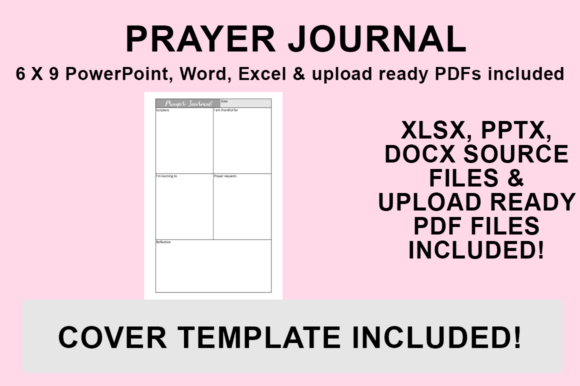
KDP Interior - Prayer Journal: Customizable Templates for Low-Content Publishing
Creating a unique low-content book on Amazon KDP often comes down to the quality and flexibility of your interior files. The KDP Interior - Prayer Journal template package addresses one of the biggest hurdles for self-publishers: moving beyond generic, repetitive layouts that fail to connect with buyers. By providing editable source files in PowerPoint, Word, and Excel alongside a print-ready PDF, this resource shifts the workflow from simple uploading to genuine product creation. For publishers targeting the faith-based niche, having a 6″x9″ no-bleed foundation means you can focus entirely on customization rather than wrestling with margin settings or trim size specifications.
Real-World Applications for Faith-Based Publishers
The true value of an editable prayer journal template emerges when you apply it to specific sub-niches within the broader Christian market. Generic "prayer journals" face immense competition, but specialized journals serve dedicated communities. Consider a publisher wanting to create a resource for new mothers navigating postpartum spiritual wellness. Using the Word source file, they can adjust the prompts to reflect themes of patience, identity, and gratitude specifically tailored to early motherhood. They might add soft floral graphics or change the font to something warmer and more inviting. This level of specificity transforms a standard template into a targeted solution that speaks directly to a reader's current season of life.
Ministry leaders and church administrators represent another practical user base. Rather than purchasing bulk generic notebooks for a women’s retreat or youth conference, leaders can use these templates to create branded materials. The PowerPoint file allows for easy insertion of church logos, event dates, and specific scripture references relevant to the retreat theme. Because the files are designed without bleed, there is no risk of critical content being trimmed off during printing, making it a safe choice for first-time creators who may be nervous about KDP’s printing guidelines. This turns a simple journal into a cohesive part of the ministry experience, reinforcing the event's message long after it ends.
Leveraging Excel for Structured Spiritual Tracking
While Word and PowerPoint handle narrative and visual elements, the inclusion of Excel opens up possibilities for data-driven spiritual tracking that many competitors overlook. Some believers prefer structured approaches to their faith practice, such as Bible reading plans, fasting trackers, or tithing records. The Excel component allows you to design grid-based interiors that are perfectly aligned and formatted for print. You could create a 52-week scripture memorization tracker where users check off verses, or a monthly prayer request log with columns for dates, requests, and answered prayers. This functional approach appeals to analytical thinkers who find traditional lined pages insufficient for their spiritual discipline.
Customization Strategies That Drive Sales
Standing out in the prayer journal category requires more than just changing the cover; the interior must offer a distinct user experience. Since these templates allow full editing, successful publishers often experiment with typography and layout hierarchy. A journal designed for seniors might utilize larger, high-contrast fonts and wider spacing between lines to accommodate reduced vision or handwriting tremors. Conversely, a journal aimed at Gen Z might incorporate modern serif fonts, minimalist aesthetics, and ample white space for artistic expression or doodling. The ability to modify these elements directly in the source files ensures the final product feels intentional rather than templated.
Graphics play a crucial role in differentiation, but they must be applied strategically within a no-bleed 6″x9″ format. When adding decorative elements like corner flourishes, borders, or spot illustrations, maintaining a safe margin is essential. The pre-formatted template handles the technical boundaries, giving you creative freedom within a secure zone. Publishers have found success by creating seasonal variations using the same base template—adding autumn leaves for a fall release or snowflakes for a winter edition. This approach maximizes the return on investment for a single template asset while building a recognizable brand series that encourages repeat purchases.
Technical Considerations Before Publishing
Before diving into customization, it is important to understand the constraints and advantages of the no-bleed 6″x9″ specification. No-bleed designs require all content to stay within defined margins, typically 0.25 inches from the edge on all sides. While this limits full-page background colors or edge-to-edge imagery, it significantly reduces printing errors and rejection rates. It also tends to look cleaner for text-heavy interiors like prayer journals, where readability matters more than dramatic visuals. Users should verify their added graphics respect these boundaries, even though the template provides guides, as shifting elements during editing can sometimes push content too close to the trim line.
Font licensing represents another critical consideration. While the template includes placeholder styling, any new fonts you introduce must be commercially licensed for print products. Free personal-use fonts found online often prohibit commercial distribution. Investing in proper commercial licenses or using vetted font marketplaces protects your publishing business from legal issues. Additionally, consider the emotional tone of your typography choices. A prayer journal carries intimate significance for users; overly decorative or difficult-to-read script fonts might frustrate rather than inspire. Testing your customized pages by printing them at home before final upload helps ensure the reading experience matches your digital preview.
Exporting Your Customized Journal Correctly
The final step in bringing your customized prayer journal to market involves proper PDF exportation. Even if you’ve created a beautiful interior in Word or PowerPoint, incorrect export settings can ruin the final product. Always use the native “Save As” function rather than third-party converters to preserve formatting integrity. When selecting PDF as the save type, ensure no additional compression or optimization settings alter your page dimensions. The exported file should maintain the exact 6″x9″ size with embedded fonts to prevent substitution during KDP processing. Taking a moment to verify the PDF properties before upload saves hours of troubleshooting rejected manuscripts later.
- Open your desired file: Launch the PowerPoint, Word, or Excel template and implement your customizations including fonts, formatting adjustments, and additional graphics while respecting no-bleed margins.
- Navigate to File menu: Select “Save As” from the dropdown options rather than using quick-save shortcuts to access proper export controls.
- Choose destination: Select a memorable folder location where you can easily retrieve the file for KDP upload and future reference.
- Select PDF format: From the “Save as type” dropdown, specifically choose PDF (.pdf) to generate a print-ready document compatible with KDP specifications.
- Complete the save: Click Save and allow the conversion to finish fully before opening the file to verify dimensions and content placement.
Evaluating Template Suitability for Your Goals
While editable templates offer tremendous flexibility, they aren’t universally ideal for every publishing strategy. Publishers seeking complex, full-bleed illustrated interiors with watercolor backgrounds spanning entire spreads will find the no-bleed limitation restrictive. Similarly, those wanting non-standard trim sizes like 5″x8″ or 7″x10″ would need to manually resize all elements, potentially negating the time-saving benefits. However, for creators focused on functional, text-forward prayer journals in the popular 6″x9″ format, these templates provide an optimal balance of structure and creative control. The multi-format availability means you can choose the tool that best matches your skill set—PowerPoint for visual designers, Word for writers, or Excel for structured content creators.
Success with prayer journal templates ultimately depends on viewing them as starting points rather than finished products. The most profitable journals in this niche demonstrate clear understanding of their target audience’s specific spiritual needs and aesthetic preferences. Whether serving grieving individuals, busy professionals seeking mindfulness, or families establishing devotional routines, the template provides the technical foundation while your insights provide the soul. By combining professional formatting with authentic, niche-specific content, you create resources that genuinely serve readers while building a sustainable publishing portfolio in the faith-based market.