KDP Interior Expense Journal: A Practical 6x9 Resource for Financial Tracking
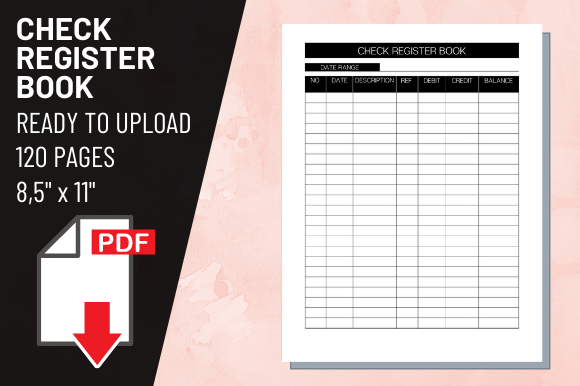
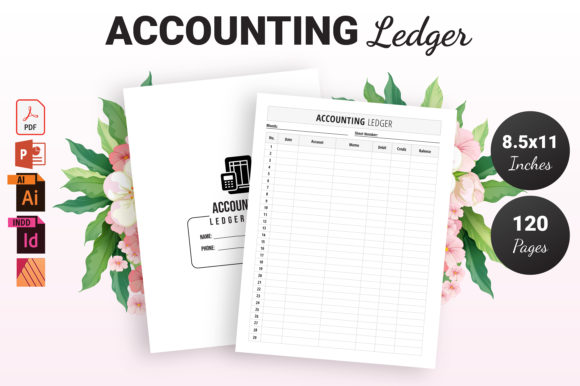
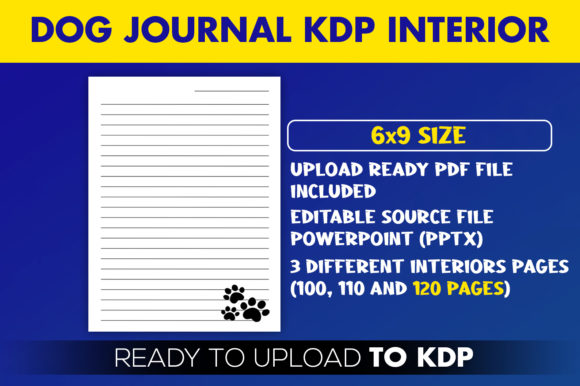
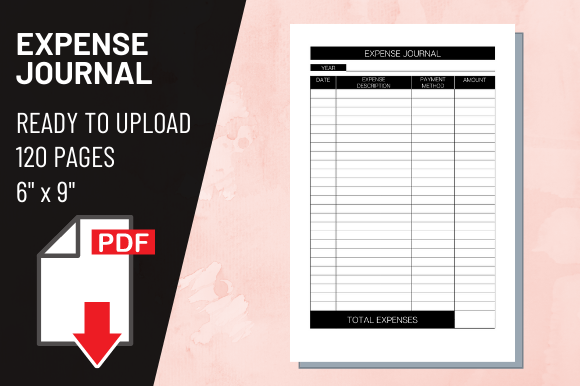
Managing personal or business finances often feels overwhelming when receipts pile up and digital apps fail to capture the nuance of daily spending. A KDP Interior Expense Journal offers a tangible, structured solution for those who prefer pen-and-paper tracking or need a physical backup to digital accounting. Specifically designed at 6″ x 9″, this format strikes an ideal balance between portability and writing space. The interior typically features 120 pages of pre-formatted tables optimized for recording dates, categories, descriptions, and amounts without the distraction of blank lines or complex layouts.
When selecting a KDP Interior Expense Journal, the technical specifications matter as much as the content. A high-quality PDF file at 300 dpi ensures that every line and header prints crisply on Amazon’s standard paper stock. The no-bleed design is particularly significant for this trim size; it keeps all content safely within the margins, preventing text from being cut off during the trimming process and ensuring a professional finish that encourages consistent use. For creators and users alike, understanding how this specific tool functions in real-world scenarios reveals its true value beyond simple data entry.
Real-World Applications for Freelancers and Gig Workers
Freelancers operate in a unique financial gray area where personal and business expenses frequently intertwine. Unlike corporate employees with expense departments, independent contractors must meticulously track deductions to avoid tax season panic. A 6x9 expense journal serves as an immediate capture device for these transactions. Consider a graphic designer who travels to client meetings, purchases software subscriptions, and buys art supplies. While bank statements show the transaction, they rarely explain the purpose. Writing "Adobe Creative Cloud - Client Project Alpha" in a physical journal creates an audit trail that digital exports cannot provide.
The compact nature of this journal makes it practical for gig workers who are constantly mobile. Rideshare drivers, delivery couriers, and field photographers can toss a 6x9 book into a glove compartment or camera bag without bulk. The 120-page count provides approximately four months of tracking if used daily, or a full year for those with moderate transaction volumes. This duration aligns perfectly with quarterly tax estimation cycles, allowing users to review spending patterns before estimated payments are due. The structured interior eliminates the guesswork of creating spreadsheets, letting freelancers focus on billable work rather than administrative setup.
Household Budgeting and Shared Finances
Couples and families managing shared households often struggle with communication gaps regarding spending. Digital budgeting apps can feel isolating or overly automated, removing the mindfulness from purchasing decisions. A physical expense journal placed in a common area creates transparency and accountability. When both partners record grocery runs, utility payments, or home repairs in the same ledger, it fosters open dialogue about financial priorities. The 6x9 size fits naturally on a kitchen counter or desk without dominating the space like a larger ledger might.
For individuals managing household renovations or large events like weddings, generic notebooks often lack the structure needed for cost analysis. Specialized expense journals include category columns that help users sort spending by vendor, material type, or phase. During a kitchen remodel, for example, tracking plumbing, electrical, and cabinetry costs separately allows homeowners to identify budget overruns early. The tactile act of writing each expense also introduces a psychological friction point that can reduce impulse spending—a benefit that tap-to-pay systems inherently remove.
Small Business Inventory and Operational Tracking
Micro-businesses such as Etsy sellers, craft vendors, and pop-up shops have distinct tracking needs that enterprise software often overcomplicates. These entrepreneurs need to monitor cost of goods sold (COGS), shipping supplies, and booth fees in real-time. A KDP Interior Expense Journal formatted for business use provides dedicated fields for these niche categories. At craft fairs where internet connectivity is unreliable, having a physical record of supply purchases and operational costs ensures nothing gets lost in the chaos of event setup.
The 300 dpi resolution of the interior becomes crucial here. Small business owners often reference their journals repeatedly, flipping back through months of entries to calculate profit margins. Blurry text or faint grid lines degrade quickly with heavy handling. High-resolution printing ensures the journal remains legible throughout its lifecycle. Additionally, the no-bleed specification means that marginal notes or totals written near the edge of the page remain intact, preserving critical financial data that might otherwise be trimmed away in lower-quality productions.
Evaluating Format Suitability Before Purchase
While the 6x9 trim size is versatile, it requires honest assessment of individual handwriting and data density needs. Users with large handwriting or those who require extensive description fields may find the 6x9 format restrictive after several weeks of use. In such cases, testing the layout via preview or sample pages helps prevent frustration. Conversely, minimalists who primarily track amounts and brief categories will appreciate the reduced page real estate, which prevents the visual fatigue associated with filling oversized ledgers.
Paper quality expectations should also align with KDP standards. Amazon’s standard color and black-and-white papers are functional but not archival-grade. Users planning to keep expense records for multiple years should consider protective storage solutions or periodic digitization. The 120-page limit, while sufficient for most quarterly or annual cycles, means long-term projects may require multiple volumes. Establishing a naming convention or volume numbering system upfront maintains organizational continuity across journals.
Strengths and Limitations in Practice
The primary strength of a pre-formatted KDP Interior Expense Journal lies in its elimination of decision fatigue. Blank notebooks require users to design their own tracking systems, which often leads to inconsistency. Pre-printed headers and columns create uniformity that simplifies monthly reconciliation. The standardized format also makes it easier to delegate tracking tasks to family members or assistants, as everyone follows the same visual template.
However, physical journals cannot automate calculations or generate reports. Users must still transfer data to spreadsheets or accounting software for comprehensive analysis. This manual step, while time-consuming, reinforces financial awareness. The limitation becomes a feature for those seeking mindful spending habits but may frustrate users prioritizing efficiency over engagement. Additionally, KDP interiors are fixed once printed; customization options like adding personalized category headers or logo placement aren’t possible with standard templates. Users requiring bespoke layouts may need custom design services, whereas the ready-to-upload PDF serves those whose needs align with conventional expense tracking structures.
Ultimately, the effectiveness of any expense journal depends on consistent usage rather than perfect formatting. The 6x9 KDP Interior Expense Journal succeeds because it removes barriers to entry. It’s affordable, immediately available, and sized for real life rather than idealized office environments. Whether tracking freelance deductions, managing household budgets, or monitoring small business COGS, the combination of practical dimensions, clear typography, and adequate page count creates a tool that adapts to diverse financial realities without demanding perfection from its users.