Accounting Ledger Book - KDP Interior: A Practical Resource for Publishers and Small Businesses
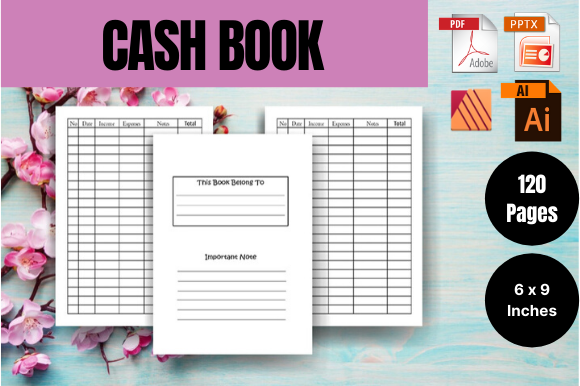
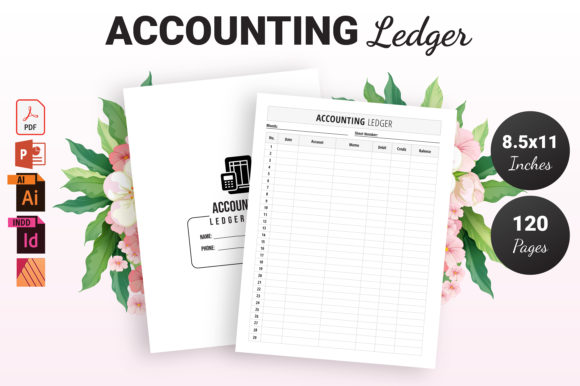
Creating a functional low-content book for Amazon KDP requires more than just lining up rows on a page. It demands an understanding of how end-users actually track their finances, manage inventory, or record transactions. The Accounting Ledger Book - KDP Interior is designed to bridge the gap between generic templates and professional financial recording tools. This resource provides a structured, 120-page layout optimized for the standard 8.5″ x 11″ trim size, ensuring that when you upload it, the result is a usable product rather than a disposable notebook. Whether you are a publisher looking to expand your catalog or a small business owner seeking a customizable physical ledger, having access to the source files in PDF, PowerPoint, Illustrator, InDesign, and Affinity Publisher formats changes how you approach this niche.
Why Source Files Matter for Financial Interiors
Most KDP interiors are sold as static PDFs. While convenient, a static file limits your ability to adapt to specific market needs. Financial tracking is not one-size-fits-all. A landlord tracking rental income has different column requirements than a craft vendor tracking material costs versus sales. By securing the Accounting Ledger Book - KDP Interior with editable source files (AI, INDD, PPTX, and Affinity Publisher), you gain the flexibility to modify headers, adjust column widths, or add specialized sections like tax IDs or SKU numbers without rebuilding the grid from scratch.
This editability is crucial for maintaining relevance. Tax laws change, business structures evolve, and user preferences shift. If you notice a trend toward cryptocurrency tracking or gig economy expense logging, you can update your interior in minutes using Adobe Illustrator or InDesign rather than waiting for a new product release. For those who prefer simpler tools, the included PowerPoint file allows for basic text and layout adjustments without needing advanced graphic design skills. This accessibility ensures that the ledger remains a practical tool for real-world application, not just a digital asset sitting in a folder.
Real-World Applications for Diverse Users
The true value of this ledger interior emerges when applied to specific scenarios. Understanding these use cases helps publishers write better descriptions and helps business owners understand why a dedicated physical ledger often outperforms a spiral notebook or a complex spreadsheet.
Small Business and Freelance Expense Tracking
Freelancers and sole proprietors often struggle with commingling funds or losing receipts. While software exists, many users still prefer a physical backup for daily entry before transferring data to digital systems. The 8.5″ x 11″ dimension provides ample space for detailed descriptions, which is vital during tax season. A photographer, for example, can use this ledger to log equipment depreciation, travel mileage, and client payments in one place. The no-bleed specification ensures that all content stays safely within the margins, making it easy to write near the binding without text disappearing into the gutter—a common frustration with poorly designed KDP books.
Rental Property and Real Estate Management
Landlords managing multiple units need a clear separation of income and expenses per property. Generic accounting books often lack the specific columns needed for rent rolls, security deposit tracking, and maintenance logs. With the editable source files, a real estate investor could customize the Accounting Ledger Book - KDP Interior to include fields specifically for unit numbers, lease start dates, and contractor invoices. This level of specificity transforms a general ledger into a specialized property management tool, increasing its perceived value and utility for tenants and owners alike.
Educational and Non-Profit Budgeting
Student organizations, church groups, and non-profits often operate with limited budgets and varying levels of financial literacy among treasurers. Complex accounting software can be intimidating and expensive. A printed ledger based on this interior offers a tactile, straightforward way to teach double-entry bookkeeping basics or simply track fundraising goals. Educators can use the PowerPoint or Affinity Publisher files to create simplified versions for classroom exercises, removing complex jargon and focusing on the fundamental mechanics of debits and credits. This makes the resource valuable beyond commercial publishing, extending into academic and community development settings.
Personal Finance and Debt Payoff Planning
For individuals focused on debt snowball methods or saving for large purchases, digital fatigue is real. Staring at spreadsheets can feel discouraging. A physical ledger provides a sense of progress and accountability. Users tracking personal expenses appreciate the larger 8.5″ x 11″ format because it allows for categorization notes that smaller journals cannot accommodate. The clean, professional layout of this interior helps users treat their personal finances with the same seriousness as a business, fostering better habits through structured recording.
Technical Specifications and Print Readiness
When preparing a KDP interior, technical precision prevents rejection and negative reviews. This Accounting Ledger Book - KDP Interior is pre-configured to meet Amazon’s strict guidelines, saving hours of troubleshooting.
- Dimensions: 8.5″ x 11″ inches. This is the industry standard for accounting ledgers, offering enough horizontal space for multiple columns while remaining portable enough for field work or desk storage.
- Page Count: 120 pages. This length strikes a balance between durability and cost. It provides roughly six months of daily entries or a full year of weekly summaries, making it a substantial product without driving printing costs so high that the retail price becomes uncompetitive.
- Bleed Settings: No Bleed. Financial records require precise alignment. A no-bleed setup ensures that grid lines and text remain consistently positioned relative to the safe zone. This eliminates the risk of critical data areas being trimmed off during the printing process, a frequent issue with bleed-enabled templates where margins are miscalculated.
- File Formats: High-quality print-ready PDF for immediate upload, plus AI, INDD, PPTX, and Affinity Publisher files. This multi-format approach accommodates different workflows, whether you are a professional designer using industry-standard tools or a creator preferring accessible alternatives.
Considerations Before Customizing or Publishing
While having editable files is advantageous, it requires thoughtful execution. Before modifying the Accounting Ledger Book - KDP Interior, consider your target audience's actual workflow. Avoid adding excessive decorative elements that reduce writing space. Financial users prioritize function over form; if a flourish takes up half an inch of column width, it detracts from the book’s purpose. Always test print a single copy after customization to verify that line weights are visible but not distracting, and that paper opacity is sufficient for pen or pencil use.
Additionally, think about metadata and positioning. If you customize the ledger for a specific niche like "Etsy Seller Accounting" or "Farm Expense Tracker," ensure your title and subtitle reflect that specificity. The interior is merely the foundation; your marketing connects it to the person searching for a solution. Review competitor listings to identify gaps in column headers or layout structures that your customized version can fill. Finally, remember that source files are intellectual property. Respect licensing terms regarding redistribution versus end-product creation to maintain ethical publishing practices.
Ultimately, this ledger interior serves as a professional starting point. It removes the technical barriers to entry for KDP publishers while providing a robust, functional tool for anyone needing to organize financial data physically. By leveraging the included source files and adhering to practical design principles, you can create a product that genuinely assists users in managing their economic lives, whether for profit, education, or personal stability.