KDP Interior Check Register Book: A Practical 8.5″ x 11″ Solution for Financial Tracking
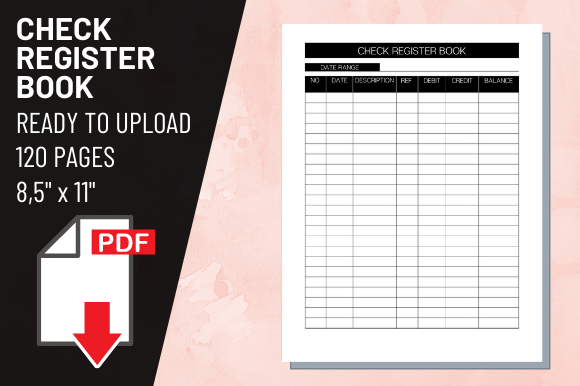
Managing personal or business finances often requires more than just a banking app. For many, the physical act of writing down transactions provides a necessary layer of accountability and clarity that digital tools sometimes lack. A KDP Interior Check Register Book serves as this tangible bridge between spending and awareness. Specifically designed at 8.5″ x 11″ with 120 pages of high-resolution content, this interior template offers a structured yet flexible format for tracking income, expenses, and account balances. Whether you are a self-publisher looking to add a functional title to your catalog or an individual seeking a reliable manual ledger, understanding the practical utility of this specific layout is essential for maximizing its value.
Why the 8.5″ x 11″ Format Matters for Financial Records
While pocket-sized registers have their place, the 8.5″ x 11″ dimension is the industry standard for serious record-keeping. This size provides ample horizontal space for detailed transaction descriptions, which is crucial when reconciling accounts at the end of the month. In a smaller notebook, users often struggle to fit vendor names, check numbers, and notes into cramped columns, leading to illegible entries and frustration. The full-size format of this KDP interior eliminates that friction.
For educators teaching financial literacy or parents introducing budgeting to teenagers, the larger page size allows for better visibility during instruction. It mimics the scale of standard accounting paper and bank statements, making the transition from learning to real-world application seamless. Furthermore, the 300 DPI resolution ensures that every line and column header prints crisply on Amazon’s standard paper stock. Blurry lines can make a financial log feel unprofessional or difficult to use; this high-quality PDF file guarantees that the final printed product looks intentional and polished.
Real-World Applications for Diverse Users
The versatility of a check register book extends far beyond traditional checking accounts. Different demographics utilize this tool in unique ways that solve specific organizational pain points.
- Small Business Owners and Freelancers: Entrepreneurs often juggle multiple revenue streams and expense categories. While accounting software handles the heavy lifting, a physical register acts as a primary source document capture tool. A contractor visiting job sites can quickly log material purchases without draining phone battery or relying on spotty internet. At tax time, this physical backup serves as an excellent audit trail to verify digital records.
- Estate Managers and Caregivers: Managing finances for an elderly relative or handling an estate requires meticulous transparency. A dedicated check register provides a chronological, unalterable record of expenditures. This is invaluable for family meetings or legal reviews where proving fiduciary responsibility is necessary. The 120-page count offers enough duration to cover several months of active management without needing to switch books frequently.
- Budget-Conscious Households: For families trying to break the cycle of overspending, the "pain of paying" is real. Writing out a transaction forces a moment of pause that tapping a credit card does not. Couples often use these registers as a shared communication tool, leaving notes in the description field about upcoming bills or agreed-upon discretionary spending limits.
- KDP Publishers and Creators: If you are using this file to create a product for sale, the no-bleed specification simplifies the upload process significantly. Financial logs require precise margins to ensure data isn't cut off during trimming. This pre-formatted interior removes the guesswork from gutter safety zones, allowing creators to focus on cover design and marketing rather than technical formatting adjustments.
Understanding the Technical Specifications
Before downloading or publishing, it is important to understand how the technical attributes of this KDP Interior Check Register Book translate to user experience. The package includes a 300 DPI PDF file, which is the gold standard for print-on-demand interiors. Low-resolution files often result in pixelated text or jagged lines, which can lead to negative reviews if you are selling the book, or personal annoyance if you are printing it for yourself.
The "no bleed" setting is particularly relevant for check registers. Unlike coloring books or art journals where images extend to the edge of the page, financial records require a clean white margin border. This ensures that when the book is bound and trimmed, none of the tracking columns or balance fields are compromised. The 120-page length strikes a balance between portability and longevity. It is substantial enough to feel like a real ledger but light enough to carry in a briefcase or store in a filing cabinet without taking up excessive shelf space.
Strategic Considerations Before Use or Publication
Selecting the right interior template requires matching features to actual needs. If you are a publisher, consider your target audience's handwriting size and preference for detail. An 8.5″ x 11″ register appeals to those who prioritize organization over portability. Your book description should highlight the spacious layout and high print quality to differentiate it from competitors using lower-resolution or smaller-format templates.
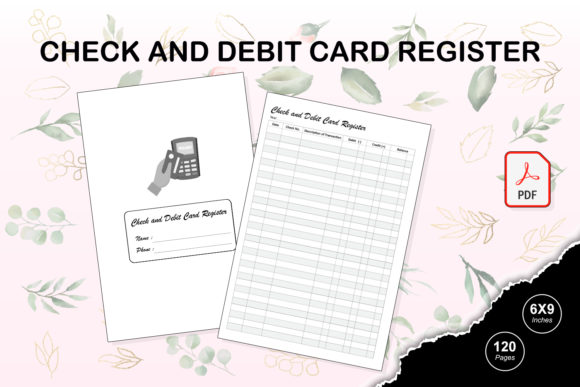
For end-users, consider how this register integrates with your existing system. It is rarely a standalone solution for complex businesses but serves as an exceptional complementary tool. Think of it as the daily capture mechanism that feeds into your monthly digital reconciliation. Also, evaluate the column headers included in the PDF. Standard registers typically include date, description, payment/debit, deposit/credit, and balance. Ensure these align with your tracking needs. If you require specialized columns for tax categories or project codes, you may need to customize the file or choose a niche-specific variation.
Maximizing Value Through Consistent Habits
Owning a high-quality check register book is only the first step; deriving value comes from consistent usage. The physical nature of this 8.5″ x 11″ format encourages routine. Placing the book in a designated spot—next to the bill pay station, in the office desk drawer, or on the kitchen counter—creates a visual cue to log transactions immediately.
For educators and coaches, this tool can be part of a broader curriculum on financial mindfulness. Assigning students or clients to maintain a manual register for thirty days often yields deeper insights into spending behaviors than reviewing past bank statements. The tactile engagement slows down the decision-making process around money. When using this KDP interior for commercial purposes, consider bundling it with educational content or tips on reconciliation in the front matter to increase perceived value and utility.
Ultimately, whether you are creating a product for the KDP marketplace or seeking a personal finance solution, the quality and specifications of the interior matter. A 300 DPI, no-bleed, 120-page PDF at 8.5″ x 11″ represents a professional-grade foundation. It respects the user's need for clarity, durability, and ease of use. By focusing on these practical realities rather than generic features, you ensure that the check register serves its true purpose: bringing order, transparency, and confidence to financial management.