KDP Interior Mileage Log Book: Ready-to-Print 6x9 PDF
Creating a successful low-content publishing portfolio requires balancing speed with quality. For entrepreneurs and designers navigating the Amazon KDP marketplace, finding reliable interiors is often the bottleneck. This KDP Interior Mileage Log Book provides an immediate solution for creators looking to expand their catalog without spending hours on layout design. Measuring at the industry-standard 6″ x 9″ trim size, this pre-formatted interior eliminates technical guesswork and allows you to focus entirely on cover design, keyword research, and marketing strategy.
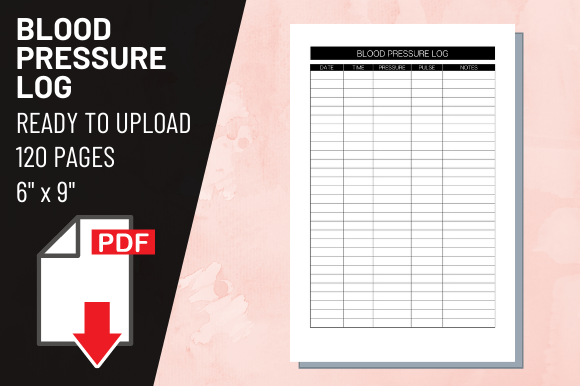
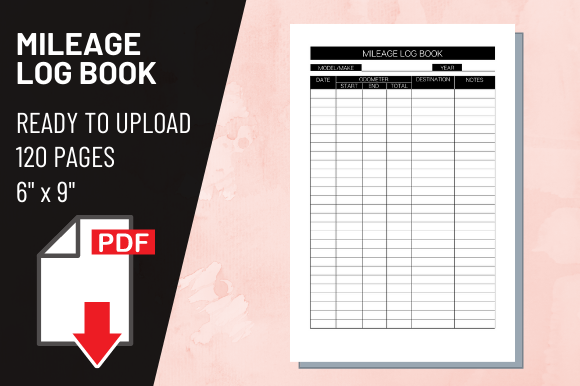
The package includes a high-resolution, 300 DPI PDF file containing 120 pages of functional tracking tables. It is configured with no bleed settings, ensuring crisp printing and proper margins right out of the box. Whether you are a seasoned publisher or testing the waters of vehicle-related niches, this asset serves as a foundational tool for building practical, utility-driven books that solve real problems for end-users.
Why Utility Logs Outperform Generic Journals
In the current self-publishing landscape, specificity drives sales. While lined journals face saturation, functional logbooks address distinct pain points. A mileage log is not merely a notebook; it is a compliance tool, a financial record, and an organizational asset. By offering a KDP Interior Mileage Log Book, you are providing value beyond blank paper. Users purchase these books to track business deductions, monitor fleet maintenance, or document personal travel for reimbursement.
This specific 6″ x 9″ format hits the sweet spot for portability. It is compact enough to fit in a glove compartment, center console, or work bag, yet large enough to provide ample writing space for detailed entries. The 120-page count offers substantial longevity, typically lasting three to six months of regular use depending on driving frequency. This balance of size and capacity makes it an attractive option for buyers seeking durability and convenience over novelty.
Technical Specifications for Seamless Publishing
Understanding the technical parameters of your interior prevents costly proofing errors. This file is optimized specifically for Amazon’s printing requirements:
- Trim Size: 6″ x 9″ (15.24 x 22.86 cm), the most versatile size for logbooks.
- Resolution: 300 DPI ensures sharp lines and legible text, avoiding the blurriness associated with lower-quality templates.
- Bleed Settings: Configured as "No Bleed." All content sits safely within the margin guidelines, preventing text from being trimmed during production.
- Page Count: 120 pages, providing sufficient bulk for a professional spine while keeping printing costs competitive.
- File Format: Print-ready PDF compatible with KDP’s upload system.
These specifications mean you can upload the file directly after designing your cover. There is no need to resize, adjust margins, or convert formats. This streamlined workflow is essential for publishers managing multiple titles or those who prefer to allocate their creative energy toward niche research rather than formatting.
Creative Adaptation and Niche Targeting
A common misconception is that using a pre-made interior limits creativity. On the contrary, a standardized KDP Interior Mileage Log Book acts as a canvas for niche specialization. Since the interior remains constant, your differentiation lies in how you position the book to specific audiences. Consider how different user groups interact with mileage tracking and adapt your cover art, title, and description accordingly.
For Gig Economy Workers and Freelancers
Rideshare drivers, delivery couriers, and freelance consultants require meticulous records for tax purposes. For this demographic, emphasize professionalism and ease of use. Covers should be clean, minimalist, and clearly labeled. Keywords might include "tax deduction tracker," "gig worker log," or "business expense record." The utility here is financial protection; your book helps them maximize legitimate write-offs during audit season.
For Fleet Managers and Small Business Owners
Landscapers, plumbers, electricians, and mobile service providers often manage multiple vehicles. They need robust logs that can withstand daily wear. Position this interior as a "Vehicle Maintenance and Mileage Tracker." You might create variations targeting specific trades, such as "HVAC Service Log" or "Construction Fleet Record." In this context, the 6x9 size is particularly relevant as it matches other field documentation standards.
For Personal Travel and Hobbyists
Not all mileage tracking is business-related. RV enthusiasts, road trippers, and car collectors often log miles for maintenance schedules or sentimental record-keeping. These users respond to aesthetic covers featuring vintage typography, national park imagery, or automotive illustrations. The same functional interior becomes a "Road Trip Journal" or "Classic Car Maintenance Log" simply through contextual framing. This demonstrates how one high-quality PDF can serve multiple market segments.
Designing Covers That Complement Standard Interiors
When the interior is fixed, the cover must do the heavy lifting. Your cover design should signal the book’s purpose instantly. Avoid generic patterns that could apply to any notebook. Instead, incorporate visual cues related to driving, maps, odometers, or clipboards. Typography should be bold and legible at thumbnail size, as most customers browse on mobile devices.
Consistency builds brand recognition. If you plan to release multiple logbooks using this interior, consider developing a cohesive series look. Use consistent font hierarchies and layout structures while varying color palettes or imagery to denote different niches. This approach encourages cross-selling and establishes your author name as a trusted source for functional stationery.
Ensuring Quality and User Satisfaction
Even with a perfect interior file, success depends on setting accurate expectations. Clearly state in your book description that this is a 6″ x 9″ logbook with 120 pages. Mention specific column headers if possible so buyers know exactly what data fields are included. Transparency reduces returns and negative reviews stemming from mismatched expectations.
Order a physical proof before launching. While the 300 DPI PDF is technically sound, seeing the printed result confirms that the line weight is appropriate for standard ballpoint pens and that the no-bleed margins feel comfortable. Checking the physical product also allows you to photograph the interior for your listing images, which significantly boosts conversion rates by showing customers exactly what they are buying.
Strategic Value for Publishers
Incorporating a ready-made KDP Interior Mileage Log Book into your workflow is a strategic efficiency play. It removes the barrier of entry for a high-demand utility niche. Rather than learning complex table formatting in InDesign or Illustrator, you leverage professional-grade assets to test market viability quickly. If a particular niche variation performs well, you can then invest time in creating custom interiors. If it does not, your initial investment remains minimal.
This approach aligns with sustainable publishing practices. By focusing on evergreen needs like vehicle tracking, you build backlist titles that generate passive income year-round. Unlike trend-based books that fade after a few months, mileage logs remain relevant as long as people drive for business or pleasure. The combination of technical readiness, versatile application, and enduring demand makes this interior package a practical addition to any serious KDP creator’s toolkit.
Ultimately, the goal is to provide genuine utility. When you treat this logbook as a solution to a customer's problem rather than just another SKU, your marketing becomes more authentic and effective. Use this 6x9, 120-page PDF as a foundation to build a reputation for quality, functional resources that help people organize their lives and businesses. The tools are ready; the opportunity lies in how creatively and thoughtfully you apply them.