KDP Interior Cabin Guest Book: Elevating the Short-Term Rental Experience
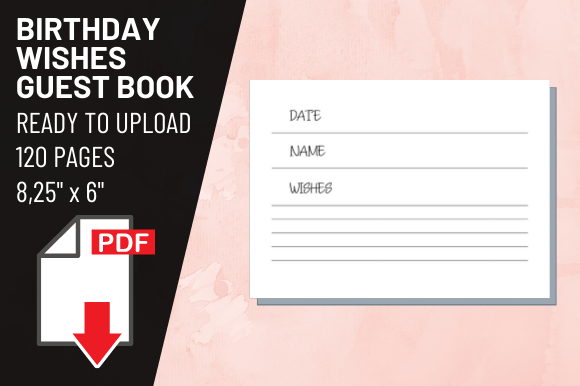
Creating a memorable stay for guests goes far beyond providing clean sheets and a well-stocked kitchen. For Airbnb hosts, cabin owners, and short-term rental managers, the KDP Interior Cabin Guest Book serves as a tangible bridge between hospitality and memory-keeping. This specific 8.25″ x 6″ interior is designed to capture the unique atmosphere of woodland getaways, lakeside retreats, and mountain escapes. Unlike generic hotel registers, this layout acknowledges that cabin stays are often about connection, nature, and slowing down. When you utilize a pre-formatted KDP interior like this, you are not just printing a book; you are installing a system for guest engagement that operates silently in the background of your hosting business.
The Role of Physical Logs in Digital Hospitality
In an era dominated by digital communication, the decision to use a physical guest book might seem counterintuitive. However, real-world hosting experience suggests otherwise. Guests at cabins and rural rentals are specifically seeking a break from screens. A high-quality, printed guest book invites tactile interaction that a QR code or tablet simply cannot replicate. The 8.25″ x 6″ trim size is particularly strategic for this environment. It is substantial enough to feel like a premium artifact on a coffee table or entryway console, yet compact enough to avoid dominating limited surface space in cozy cabin interiors.
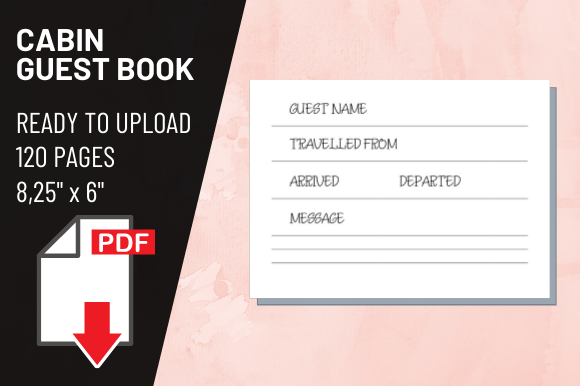
This specific KDP Interior Cabin Guest Book format provides a structured canvas for these interactions. With 120 pages at 300 DPI, the print quality ensures that handwriting looks crisp and any included graphics or prompts remain sharp. The "no bleed" specification is crucial here; it guarantees that text and design elements maintain safe margins during the binding process, preventing content from being lost in the gutter. For hosts, this technical reliability means the final product looks professionally published rather than homemade, reinforcing the overall quality perception of the rental property.
Practical Applications Across Different Hosting Scenarios
The versatility of this interior becomes apparent when examining different hosting contexts. A one-size-fits-all approach rarely works in short-term rentals, but this cabin-specific layout adapts to several distinct environments.
The Family Reunion and Multi-Generational Stay
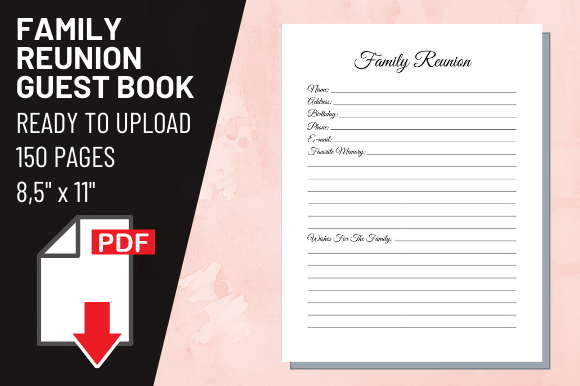
Cabins frequently host large family gatherings where multiple generations converge. In these scenarios, the guest book acts as a collaborative family archive. Grandparents may write reflections on the changing landscape, while teenagers might sketch or leave inside jokes. Because this interior is designed with cabin aesthetics in mind, it encourages contributions that go beyond standard contact information. Over years of annual reunions, these books become heirlooms. Hosts who facilitate this tradition often find that returning families request to see previous volumes, creating a powerful emotional anchor that drives repeat bookings.
The Remote Work Retreat
With the rise of workcations, many cabins now serve as temporary offices for digital nomads and remote teams. These guests have different needs than vacationers. They value reliable Wi-Fi, quiet corners, and good coffee. A well-designed guest book allows these users to leave practical tips for future remote workers. Observations like "the desk in the loft has the best morning light" or "Zoom calls work best after 4 PM when bandwidth clears" create a crowdsourced user manual. This peer-to-peer knowledge transfer reduces the host's support burden and enhances the utility of the space for professional travelers.
Eco-Tourism and Nature-Focused Rentals
For properties located near trails, parks, or wildlife reserves, the guest book functions as a field journal. Guests love recording sightings, weather patterns, and trail conditions. The KDP Interior Cabin Guest Book provides the appropriate aesthetic framework for these nature notes. When guests document a bear sighting or a particularly beautiful sunset, they are validating the location's primary selling point. Future guests reading these entries receive authentic social proof that no marketing copy can match. This organic content generation helps align guest expectations with the actual experience of staying in a natural setting.
Strategic Considerations Before Publishing
While the ready-to-upload PDF file offers convenience, successful implementation requires thoughtful preparation. Understanding the technical and experiential nuances of this product ensures it meets your specific hosting goals.
- Trim Size Ergonomics: The 8.25″ x 6″ dimension is a landscape-oriented choice that mimics traditional photo albums or journals. Before ordering, verify that this orientation suits your designated signing area. Landscape books require different shelf or table placement than portrait orientations and can be easier for guests to write in while seated at a dining table.
- Paper Quality Expectations: Standard KDP paper is suitable for ballpoint pens and pencils. If you plan to provide gel pens, markers, or fountain pens as part of the guest experience, be aware that some ink types may ghost through standard 55# or 60# paper. Many hosts mitigate this by encouraging pencil use or placing blotter paper between pages, though the 120-page count provides ample buffer for double-sided usage strategies.
- No Bleed Limitations: The no-bleed format ensures safety but restricts full-page edge-to-edge imagery. Design elements must respect the safe zone. This actually benefits cabin guest books, as framed content with white borders tends to look cleaner and more traditional, fitting the rustic aesthetic better than modern, borderless designs.
- Durability Planning: Cabins can be humid, dusty, or subject to temperature fluctuations. While the PDF is print-ready, consider how the physical book will be protected. Many hosts use acrylic stands, leather covers, or plastic sleeves to preserve the book’s condition over months of guest turnover.
Enhancing Guest Engagement Through Intentional Design
The true value of this KDP interior lies in how it structures guest input. Blank pages can be intimidating; guided prompts unlock richer content. Effective cabin guest books often include sections for favorite memories, recommendations for local dining, or advice for future visitors. This transforms the book from a passive sign-in sheet into an active community resource.
Hosts should also consider the timing of introduction. Placing the book prominently upon arrival with a welcoming note increases participation rates significantly. Some hosts leave a sample entry to model the desired tone and depth. When guests see thoughtful, detailed entries from previous visitors, they are psychologically primed to contribute similarly. This snowball effect builds a repository of authentic experiences that serves both current enjoyment and future marketing.
Furthermore, the 120-page capacity represents approximately one to two years of moderate use for an average vacation rental. This longevity makes the book a sustainable choice compared to thinner alternatives that require frequent replacement. The consistency of using the same interior format over time creates visual continuity in your rental’s history, making archived books easier to store and reference.
Balancing Privacy and Community
A critical consideration for modern hosts is guest privacy. While guest books foster community, not all travelers want their personal details visible to strangers. The KDP Interior Cabin Guest Book should be positioned as optional and voluntary. Smart hosts clearly communicate that signing is a choice, not a requirement. Some interiors include separate sections for private feedback to the host versus public messages to future guests. This distinction respects individual boundaries while still capturing valuable insights.
Additionally, hosts must periodically review entries to ensure appropriateness and remove any accidentally shared sensitive information. This moderation maintains the book as a safe, welcoming space for all demographics. The physical nature of the book means corrections are difficult, so prevention through clear instructions and thoughtful placement remains the best strategy.
Ultimately, this KDP interior represents more than a publishing product; it is a hospitality tool. By understanding its specifications, applications, and limitations, hosts can transform a simple book into a cornerstone of their guest experience strategy. The combination of practical dimensions, professional print quality, and thematic relevance makes it an asset for anyone serious about cultivating meaningful connections in the short-term rental market.